If you are a heritage home owner in Orange, you know that June and July are the months where the cold really sets in. The short version is that the combination of heavy frost, high moisture, and repeated freeze-thaw cycles can be a nightmare for older brick and timber. Without a professional exterior paint system to act as a barrier, that moisture gets deep into your home and starts causing rot and cracks that are expensive to fix. Protecting your property is about more than just a fresh look. It is about building a shield that lasts through the toughest Central West winters.
The Invisible Threat of an Orange Winter
Living in the Central West brings a specific set of challenges for property maintenance. Our winters are famous for their beauty, but they are also incredibly harsh on building materials. In Orange, we often see temperatures drop well below zero overnight. This is followed by a quick thaw as the sun comes up.
This cycle is the primary enemy of heritage homes. When moisture from rain or heavy dew sits on your walls, it does not just stay on the surface. Older homes were often built with materials that are far more porous than modern equivalents. This means your bricks and timber act like a slow-moving sponge.
During the night, that trapped water freezes and expands by about nine per cent. This expansion creates immense pressure inside the material. As it thaws during the day, the pressure releases. Over a few weeks of an Orange winter, this process happens dozens of times. It gradually pulls apart wood fibres and shatters the internal structure of your bricks.
Micro takeaways
- Orange winters feature extreme freeze-thaw cycles that stress building materials.
- Older heritage materials are porous and absorb moisture easily.
- Internal water expansion is the leading cause of winter structural damage.
The physical stress of freezing water is a silent builder of repair bills. It works behind the scenes until the damage becomes visible to the naked eye.
Why Your Brickwork is a Sponge
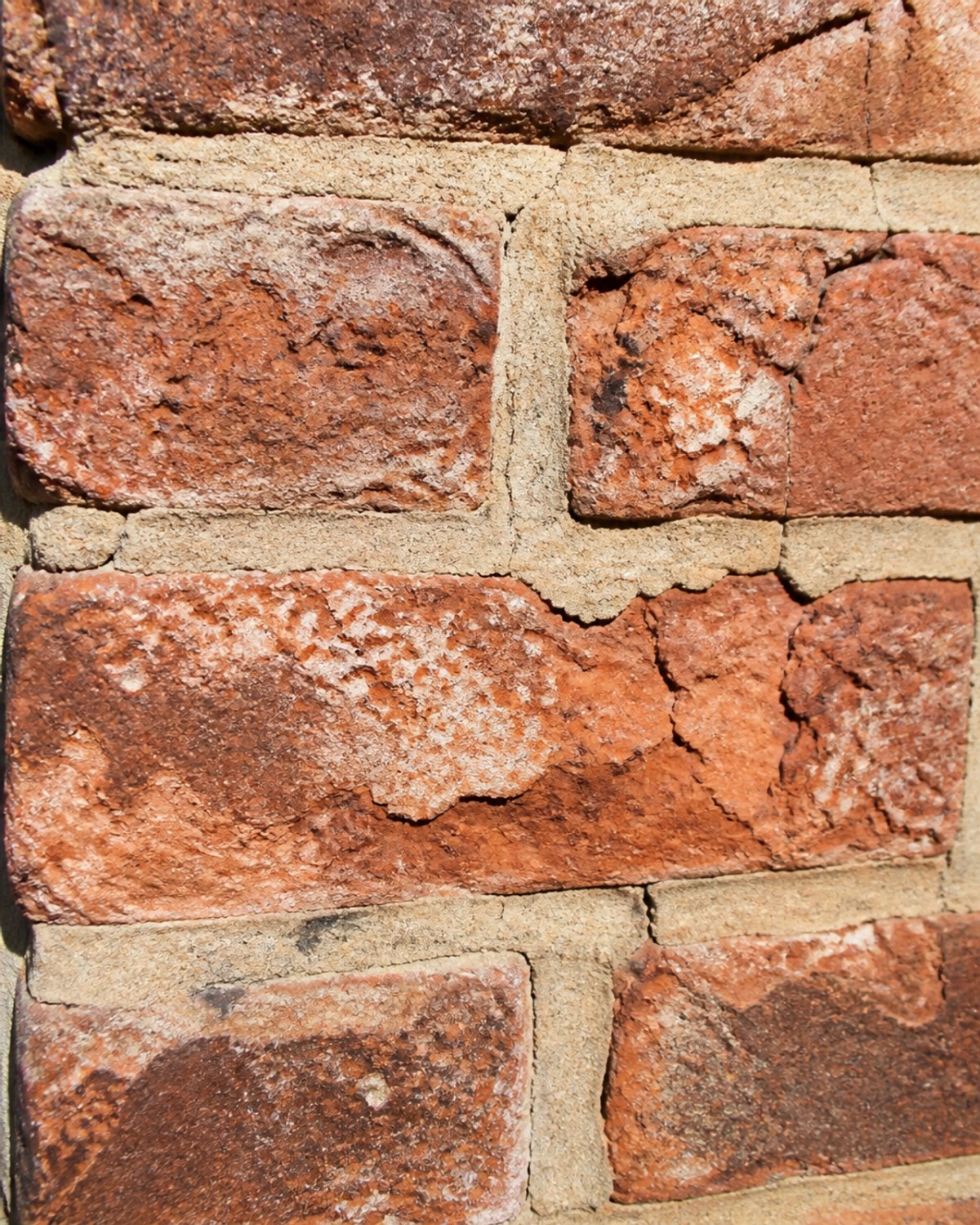
Many people assume that brick is indestructible. If you own a Federation or Victorian home in Orange, your bricks are likely softer and more breathable than modern ones. This is by design, as it helped the house manage moisture in the days before cavity walls.
The problem arises when that breathability is compromised by failed mortar or cracked paint. Once water gets into the “face” of the brick and freezes, it can cause a phenomenon called spalling. This is where the outer layer of the brick literally flakes off. You might see red dust or small chunks of brick on the ground around your foundations. This is a clear sign that the freeze-thaw cycle is winning.
Mortar joints are equally vulnerable. Heritage lime mortar is softer than cement. When it becomes saturated and freezes, it turns to powder. This leaves gaps that allow even more water to enter the next time it rains. It is a snowball effect that can lead to rising damp and internal plaster damage if it is not addressed with a professional exterior system.
Micro takeaways
- Soft heritage bricks are prone to “spalling” where the surface flakes off.
- Lime mortar joints can turn to powder after repeated freezing.
- Damage to the exterior leads to much more serious damp issues inside.
A failing brick exterior is an open door for moisture. Keeping it sealed with the right masonry system is essential for the long term health of your home.
The Secret Life of Heritage Timber
Timber is the soul of a heritage home, but it is also the most sensitive to moisture. Whether it is your weatherboards, window sills, or ornate verandah fretwork, timber needs constant protection.
In the Central West, we see a lot of “checking” in timber. These are small cracks that run along the grain. During June and July, these cracks fill with dew or frost. When that moisture freezes, it acts like a tiny wedge that drives the crack deeper into the wood.
Once the moisture reaches the core of the timber, rot begins. Fungi thrive in the damp, dark conditions inside a water-logged weatherboard. The worst part is that this rot often happens under the surface. You might not notice it until you press a finger against the wood and it feels soft. By that point, the only option is often a full replacement of the timber. This is why exterior painting preparation is the most important part of any winter-proofing project.
Micro takeaways
- Small cracks in timber grain act as wedges when moisture freezes inside them.
- Wood rot often starts deep inside the timber where you cannot see it.
- A solid paint film is the only thing standing between your timber and the frost.
Properly sealed timber can last for over a century. However, once the paint film breaks, the countdown to rot starts immediately.
The 10am to 3pm Golden Window

At CWP Painting, we have over 45 years of local experience. We understand that you cannot just paint whenever you want in an Orange winter. There is a “golden window” for application that most subcontractors or out-of-towners simply ignore.
On a typical July day, we have to wait for the morning frost to completely evaporate. This usually means we cannot start applying paint until around 10am. If you paint over a damp surface, the paint will not bond. It might look fine for a week, but it will peel as soon as the weather warms up.
Similarly, we have to stop painting by 3pm. As the sun goes down, the temperature drops rapidly and moisture begins to settle on the fresh paint. This is called “blooming” or “surfactant leaching.” It ruins the finish and weakens the protective layer. Our in-house qualified painters know these local conditions like the back of their hand. We do not use subcontractors because we need to ensure this level of local expertise is applied to every single brushstroke.
Micro takeaways
- Painting over frost or dew causes immediate adhesion failure.
- The late afternoon moisture can ruin the finish of fresh paint.
- Local expertise is required to manage the tight winter application windows.
Success in winter painting is all about timing. It requires patience and a deep understanding of the local climate to get a result that lasts.
A Professional Shield with Taubmans
To give a heritage home the best chance against the Central West frost, you need a high performance paint system. We trust Taubmans to provide the durability our clients expect. Specifically, we use the Taubmans All Weather® Exterior system for these types of projects.
This system is designed to be flexible. Heritage homes move with the seasons. As the timber swells in winter and shrinks in summer, the paint needs to stretch without cracking. Taubmans All Weather is formulated to resist blistering and peeling even in harsh inland climates.
The process starts with a heavy wash to remove any mould or atmospheric salt. We then scrape back any loose material and sand the surface to create a “key” for the paint. We apply a dedicated primer to all bare areas. This ensures the topcoats have a uniform surface to bond to. Finally, we apply two thick coats of premium exterior paint. This creates a continuous, waterproof membrane that sheds water and protects the underlying brick and timber from the freeze-thaw cycle.
Micro takeaways
- Taubmans All Weather® provides the flexibility needed for heritage homes.
- A thorough wash and prime are non-negotiable steps for winter protection.
- Two full topcoats are required to create an effective moisture barrier.
Using a premium system is an investment in your home’s future. It prevents the need for expensive structural repairs down the track.
The CWP Gold Standard
When you hire CWP Painting, you are getting a team that has seen it all in the Orange region. With over 45 years of local experience, we have worked on almost every style of heritage home in the area. We know which bricks are the thirstiest and which timber trims are most likely to rot.
We take pride in our “no subcontractors” policy. Every person on your site is a qualified professional who is directly employed by us. This means we have total control over the quality of the work and the safety of the site. We are fully licensed and insured, giving you peace of mind that your heritage asset is in the right hands.
We believe that thinking about repainting your house should be a stress-free experience. We provide transparent pricing and clear timelines. Our goal is to minimize disruption while delivering a finish that makes your home the pride of the street.
Micro takeaways
- CWP offers 45+ years of local painting experience in Orange NSW.
- Our in-house qualified painters ensure high standards without subcontractors.
- Full licensing and insurance protect your heritage property investment.
Choosing a local expert is the best way to ensure your home is treated with the respect it deserves. We understand the value of heritage architecture.

Pro Tip: The Gutter Check
Before you start any exterior painting project in winter, check your gutters. Blocked or leaking gutters are the number one cause of paint failure on heritage homes. When gutters overflow, water runs down the fascia boards and into the eaves. This keeps the timber permanently damp and prevents any paint from sticking. Spend ten minutes with a ladder or a pair of binoculars to make sure your drainage is clear. It is the cheapest bit of maintenance you can do to protect your new paint job.
Final Takeaway
Protecting a heritage home in Orange is a year-round job, but winter is when the real damage happens. By understanding the freeze-thaw cycle and choosing a professional team that uses high-quality systems like Taubmans, you can keep your property safe and beautiful. Don’t wait for the rot to show its face. A proactive approach to maintenance will save you thousands in the long run and keep your piece of Orange history standing strong.
If your home is starting to show signs of winter wear, we are here to help. Contact CWP Painting today for a professional assessment and a quote that respects the heritage of your property.
Winter-Proofing FAQ
Is it too cold to paint in Orange during June and July?
It is not too cold, but the window of time for application is much smaller. We generally only paint between 10am and 3pm to ensure the temperature is within the correct range and the surfaces are dry.
Do you use subcontractors for heritage work?
No. All of our work is performed by our own qualified, in-house painters. This ensures that the high standards required for heritage restoration are met on every project.
Which paint brand do you recommend for exterior protection?
We primarily recommend Taubmans for our exterior projects. Their All Weather® range is specifically designed for the Australian climate and offers the flexibility and moisture resistance needed for heritage homes.
How do I know if my bricks are spalling?
Look for red dust or flakes of brick at the base of your walls. If the face of the brick looks rough or “eaten away,” it is likely suffering from freeze-thaw damage.
Why does preparation take so long on older homes?
Older homes often have layers of old paint that may not be stable. We have to scrape, sand, and prime carefully to ensure the new paint has a solid foundation. Skipping this step is why many cheap paint jobs fail within a few years.

